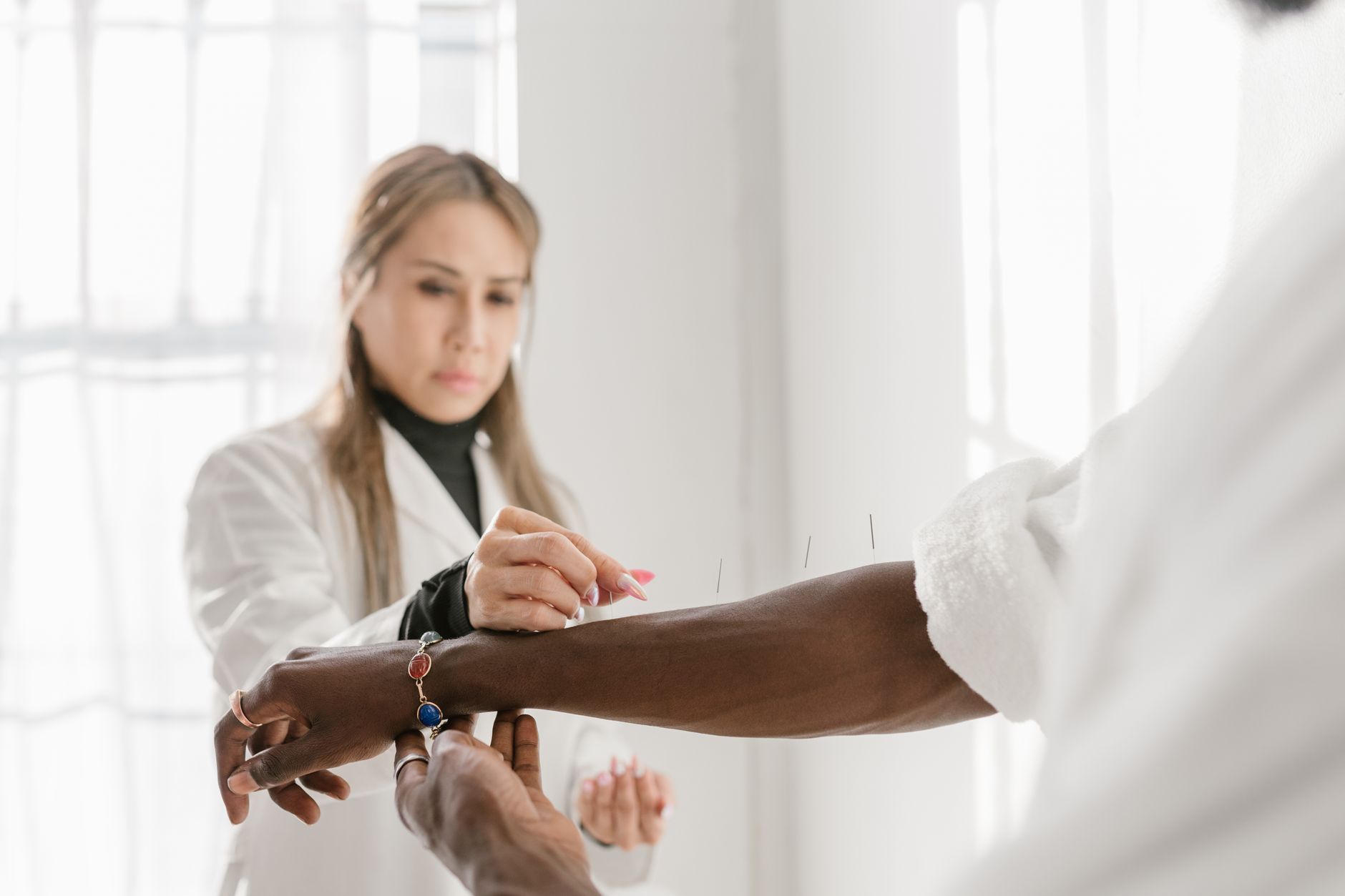
How Many Acupuncture Sessions Before IVF Transfer? A Timeline and Treatment Guide
By Now Wellness Clinic11 min read
Most practitioners recommend 12 to 24 acupuncture sessions before an IVF transfer, starting 3 months prior to the retrieval cycle; some protocols extend to longer preparation periods only for poor-prognosis patients (pmc.ncbi.nlm.nih.gov). Weekly sessions during the prep phase support egg quality, regulate hormones, and reduce stress.
Why Does Timing Matter for Fertility Acupuncture Before IVF?
Timing is not arbitrary. Follicular development is a prolonged biological process, and human follicular growth requires more than 6 months from the earliest stages to ovulation (link.springer.com). The final 90-day window before retrieval is when acupuncture delivers its highest leverage, targeting the antral follicle phase when developing eggs are most responsive to systemic changes in blood flow, hormone regulation, and oxidative stress. Starting a fertility acupuncture protocol at the 3-month mark aligns treatment with biology rather than convenience.
Acupuncture's effects on uterine blood flow and endometrial receptivity are cumulative. One session does not rebalance a Kidney deficiency pattern or resolve years of Liver Qi constraint. A practitioner in Redwood City treating a 38-year-old with low AMH needs weeks of weekly sessions just to shift baseline pulse quality before fine-tuning for retrieval. The idiomatic 3-month recommendation is standard practice across integrative reproductive medicine precisely because it respects this biological reality. Industry data suggests their practitioners have more room to adjust protocols as the cycle unfolds, rather than chasing problems in the final two weeks.
What Is the 90-Day Egg Quality Window?
The 90-day egg quality window refers to the final pre-antral and antral phases of follicle development, the period when environmental inputs most influence the oocyte's mitochondrial function and chromosomal integrity. A female is born with 1 to 2 million primordial follicles (ncbi.nlm.nih.gov), but by puberty only approximately 400,000 to 500,000 remain, and roughly 1000 follicles are lost each month after menarche (ncbi.nlm.nih.gov). The follicles that will be retrieved during an IVF cycle have been developing for months before stimulation begins. Acupuncture during this window, paired with CoQ10 supplementation at 600 mg per day and a Mediterranean diet, targets egg quality during the phase when it can still be influenced. A licensed acupuncturist maps a 12-week protocol to this biological timeline, adjusting point selection as the patient moves through preparation, stimulation, and transfer phases.
Which Patient Profiles Benefit from Starting Earlier?
Not every patient needs exactly 12 weeks. Women with diminished ovarian reserve, marked by low AMH or elevated FSH, are often advised to begin acupuncture 3 months before retrieval, the same standard window recommended for other patients, though some practitioners consider extending beyond 2 months for this subgroup based on available clinical trial evidence. Patients with recurrent implantation failure, endometriosis, or PCOS carry deeper TCM pattern imbalances that require longer treatment arcs. Clinical evidence suggests that meaningful improvements in ovarian reserve markers for this population can take 12 full weeks of treatment to materialize. Couples using donor eggs may shift the focus from egg quality toward uterine preparation, but the timeline principle holds: start early, treat consistently, and adjust based on response.
Phase-by-Phase IVF Acupuncture Treatment Timeline
A well-structured fertility acupuncture protocol follows five distinct phases, each with different goals, session frequency, and point selection. A common recommendation is weekly acupuncture starting about 3 months before IVF, with sessions continuing through stimulation, transfer, and the two-week wait. The table below gives a concrete framework that we at Now Wellness Clinic use as a starting point before personalizing to each patient's TCM diagnosis and reproductive history.
Total sessions for a standard 3-month protocol range from 12 to 24, depending on diagnosis complexity and patient response. Bay Area fertility acupuncture settings, including clinics serving the San Mateo County corridor, generally follow the 8 to 12 weeks before transfer plus transfer-day pattern as the regional standard. Patients who arrive mid-cycle without the full 3-month prep still benefit from focused stimulation-phase and transfer-day sessions, though the cumulative foundation is missing.
What Happens During Pre-Retrieval Sessions?
The first session establishes a TCM diagnosis using pulse quality assessment at three positions, tongue morphology and coating, a detailed intake covering menstrual history, prior cycle outcomes, and current medications, and a review of available reproductive labs including AMH, FSH, and antral follicle count. Points commonly used during the prep phase include Spleen 6 for Blood nourishment, Kidney 3 for Jing support, Stomach 36 for digestive qi and energy production, Conception Vessel 4 for uterine tonification, and Governing Vessel 20 for calming the nervous system. Herbal formulas may be prescribed alongside needles to nourish Jing and tonify Blood, though all herbs must be reviewed against current IVF medications before prescribing. Sessions during this phase typically last 45 to 60 minutes and are spaced 7 days apart. Skipping sessions during this phase undermines the cumulative nature of the protocol.
What Does Transfer Day Acupuncture Involve?
The transfer-day protocol is the most researched component of fertility acupuncture. The pre-transfer session, scheduled 1 to 2 days before or the morning of transfer, runs 25 to 30 minutes and uses calming, uterine-relaxing points to reduce anxiety, lower cortisol, and improve endometrial blood flow. The post-transfer session, completed within 24 hours after transfer, uses warming and grounding points to support implantation and prevent uterine spasm. The Paulus protocol, published in Fertility and Sterility in 2002 out of Germany, is the most widely replicated framework for same-day acupuncture around transfer and remains the reference design for subsequent trials. A single session on transfer day alone is a feasible fallback option when patients cannot complete the full preparatory protocol, and it remains worthwhile even without the 3-month foundation. An additional session after transfer is also strongly recommended, not optional, because post-transfer uterine spasm is a documented impediment to implantation. According to the CDC's most recent (2022) national ART surveillance data, approximately 37.5-40% of embryo transfers result in a live birth across all patient ages; a single national clinical pregnancy rate per transfer is not published as a standalone aggregate figure by CDC or SART, and both rates vary substantially by age group and egg source (cdc.gov), numbers that underscore why every supportive intervention at the transfer window matters.
What Does the Clinical Evidence Say About Acupuncture and IVF Success Rates?
The evidence base for fertility acupuncture is deeper than most clinic websites acknowledge. This is not a fringe finding. The mechanism is increasingly understood: acupuncture reduces uterine vascular resistance, improving blood flow to the uterus and supporting endometrial receptivity. Better uterine blood flow means a thicker, more receptive endometrium at the time of transfer. Acupuncture also stimulates beta-endorphin release, which modulates GnRH and downstream reproductive hormone cascades, providing a plausible hormonal pathway that complements the vascular evidence. According to a 2021 systematic review and meta-analysis of prospective clinical studies, minor adverse events occur in approximately 9.31% of patients undergoing an acupuncture series, with per-treatment rates around 7.57% (pmc.ncbi.nlm.nih.gov), making the safety profile highly favorable.
Early pregnancy continuation through week 12 is therefore not merely comfort care. It is a strategy grounded in miscarriage risk reduction data.
Why Do Different Studies Show Different Results?
Protocol heterogeneity is the central problem in fertility acupuncture research. Studies differ in number of sessions, timing relative to retrieval and transfer, point selection, practitioner training level, and control design. Sham acupuncture controls are inherently imperfect because superficial needling at non-classical points may itself have physiological effects on local tissue and nervous system response. Studies limited to single-day transfer acupuncture miss the cumulative benefit of a full 3-month preparatory protocol entirely. Patients with poor baseline prognosis, including those with diminished ovarian reserve or prior failed cycles, show the largest measurable gains in published subgroup analyses, which means population-level averages understate the benefit for the patients most likely to seek integrative support. The 2018 JAMA meta-analysis that found no significant live birth benefit compared to sham controls has been criticized on exactly these design grounds. Clinicians who treat IVF patients daily in Redwood City and across the San Francisco Bay Area know that a single number cannot capture what a full individualized protocol achieves over three months.
How to Choose a Fertility Acupuncturist and What to Expect at Your First Visit
Credentials matter. In California, all practicing acupuncturists must hold a license from the California Acupuncture Board, which requires completion of one of three Board-approved educational pathways, an accredited training program (minimum 3,000 hours), a Board-approved tutorial program (minimum 3,798 hours), or an equivalent foreign education program, plus passing the California Acupuncture Licensing Examination (CALE); a master's degree is not itself the statutory requirement, though most institutional programs confer one (acupuncture.ca.gov). That is the baseline. For fertility patients pursuing IVF, the additional credential to seek is board certification through the American Board of Oriental Reproductive Medicine (ABORM), a specialized examination that covers reproductive endocrinology, IVF pharmacology, and integrative fertility protocols at a clinical depth far beyond the standard acupuncture license. Ask specifically whether your practitioner has IVF cycle experience, familiarity with FSH injectables, Lupron, progesterone supplementation, and estradiol patches, and whether they communicate directly with your reproductive endocrinologist. That coordination is not optional. It is the difference between integrative care and parallel care.
At your first visit, expect a 60 to 75 minute intake covering full medical history, prior IVF or IUI cycle outcomes, current medications, TCM pulse and tongue diagnosis, and treatment goal-setting aligned with your calendar. Bring your IVF protocol calendar. The acupuncturist must know your retrieval date, transfer date, and stimulation start date to sequence sessions correctly. Red flags: any practitioner who guarantees pregnancy rates, discourages conventional IVF, or declines to communicate with your reproductive endocrinologist's office.
Does Insurance Cover Fertility Acupuncture in California?
Coverage is nuanced and varies by plan. California's SB 729 (2024), signed by Governor Newsom on September 29, 2024 and effective January 1, 2026, mandates that large group fully insured health plans cover infertility diagnosis and treatment, including IVF (leginfo.legislature.ca.gov), but specific acupuncture coverage for fertility indications varies significantly. Fertility-specific acupuncture coding is often excluded even when general acupuncture is covered, requiring patients to verify CPT code eligibility before beginning. At Now Wellness Clinic in Redwood City, we work with patients to verify their benefits before the first appointment and can provide itemized superbills for out-of-network reimbursement submissions. Patients in San Mateo County and across the Peninsula who have not checked their acupuncture benefits are often surprised to find partial coverage available.
Practical Tips for Getting the Most From Your Fertility Acupuncture Protocol
Consistency is not optional. Missing sessions, especially during the prep phase, significantly reduces the cumulative effect on ovarian and uterine function. Consider a scenario: a 35-year-old woman in Redwood City with two prior failed transfers starts acupuncture 10 weeks before her planned transfer instead of 12. She skips two sessions during stimulation due to work travel. Her practitioner has six fewer data points to assess pulse quality shifts, fewer opportunities to adjust point protocols, and less total treatment time to influence uterine blood flow. That is a meaningfully different clinical picture than a patient who completed every session. Communicate all IVF medications to your acupuncturist at every visit, as protocol changes mid-cycle are common and point selection must adjust accordingly. Certain points are contraindicated during high-stimulation phases and early pregnancy, and a qualified practitioner will adjust without being prompted.
Pair acupuncture with evidence-supported adjuncts: CoQ10 at 600 mg per day for mitochondrial support, a Mediterranean diet to reduce systemic inflammation, 7 to 9 hours of sleep per night, and consistent stress reduction practices. Keep a cycle journal tracking symptoms, emotional state, sleep quality, and response to sessions. Your practitioner uses this data to fine-tune the protocol. After transfer-day sessions, allow 30 to 60 minutes of rest before resuming activity. Do not rush back to the office.
What Should You Avoid During a Fertility Acupuncture Protocol?
Several common behaviors directly undermine the protocol's effectiveness and your IVF outcomes. Avoid alcohol, recreational cannabis, and smoking throughout the treatment period. All three negatively affect egg quality and endometrial receptivity through oxidative stress and hormonal disruption pathways. Limit vigorous high-intensity exercise during ovarian stimulation to reduce ovarian torsion risk, a serious and painful complication of hyperstimulation. Avoid applying heat packs directly to the lower abdomen during stimulation without explicit practitioner guidance. Do not start new herbal supplements or change your existing supplement protocol without informing both your acupuncturist and your reproductive endocrinologist. Herb-drug interactions with IVF medications are real and potentially significant. Transparency between your care team members protects your cycle. Results speak louder. Patients who follow a complete protocol consistently report better clinical outcomes and substantially lower anxiety throughout the process.
Frequently Asked Questions
How many acupuncture sessions do I need before IVF transfer?
Most fertility acupuncturists recommend 12 to 24 sessions before transfer, starting 3 months before your retrieval cycle. Weekly sessions during the prep phase are standard. Patients with diminished ovarian reserve or prior failed cycles often benefit from 4 to 6 months of preparatory treatment before stimulation begins.
Can I start acupuncture during an IVF cycle if I did not begin 3 months before?
Yes. Starting during stimulation or even just for transfer day is worthwhile and better than no treatment. A single session on transfer day is a feasible fallback. You will miss the cumulative follicular-phase benefits, but transfer-day and post-transfer sessions still support uterine blood flow, reduce cortisol, and improve endometrial receptivity at the critical implantation window.
Is acupuncture on the day of embryo transfer actually effective?
Clinical evidence supports it. The Paulus protocol, replicated across multiple trials, uses pre-transfer and post-transfer sessions to relax the uterus, reduce anxiety, and optimize endometrial blood flow. Research shows acupuncture reduces uterine vascular resistance with a mean pulsatility index difference of −0.54 compared to controls. An additional post-transfer session within 24 hours is strongly recommended, not just optional.
How much does fertility acupuncture cost per session in the Bay Area?
In the Bay Area and Redwood City, individual fertility acupuncture sessions typically range from $95 to $175 per visit, with the initial intake appointment costing more due to extended time. Many PPO plans cover acupuncture at $20 to $40 copay under wellness benefits. Fertility-specific coding may be excluded, so verifying CPT code eligibility before starting is strongly advised.
Does acupuncture hurt during fertility treatments?
Most patients describe acupuncture as producing a mild sensation of pressure, warmth, or a dull ache at needle insertion sites, not sharp pain. Fertility protocols use fine gauge needles and target points on the limbs, abdomen, and scalp. Minor adverse events occurred in approximately 9.3% of patients across a full course of treatment in clinical studies. Needle anxiety typically resolves after the first or second session.
Can acupuncture help with failed IVF cycles or recurrent implantation failure?
Patients with recurrent implantation failure show some of the largest measurable gains in published subgroup analyses. Acupuncture addresses uterine blood flow, hormone regulation, and immune modulation patterns that may contribute to implantation failure. A full 3-month protocol is especially important for this group, as root TCM pattern imbalances typically require extended treatment time to resolve adequately.
Should my partner also receive acupuncture to improve sperm quality before IVF?
Yes. Male-factor infertility contributes to a significant proportion of IVF cycles, and acupuncture has been studied for improving sperm count, motility, and morphology. A 3-month protocol for male partners aligns with the roughly 90-day sperm maturation cycle, giving treatment time to influence spermatogenesis. Coordinating both partners' protocols with the same practitioner improves timing efficiency.
How do I know if acupuncture is working during my IVF preparation?
Clinical indicators include improved menstrual regularity and cycle length, reduced premenstrual symptoms, better sleep quality, lower baseline anxiety, and improved pulse quality as assessed by your practitioner at each session. Lab markers such as rising AMH, normalized FSH, or improved antral follicle count over 12 weeks provide objective confirmation. Keep a cycle journal to track these changes between appointments.
What is the best timing for acupuncture around IVF transfer?
The optimal timing is one session 1 to 2 days before transfer and one session within 24 hours after transfer. Before transfer, the session targets uterine relaxation and endometrial blood flow. After transfer, warming and grounding points prevent uterine spasm and support implantation. This two-session transfer-day structure is the most replicated protocol in clinical fertility acupuncture research.
Are there Bay Area fertility acupuncturists who specialize in IVF?
Yes. The Bay Area and Peninsula have licensed acupuncturists with advanced ABORM certification in reproductive medicine, including practitioners in Redwood City, San Mateo, and San Jose. At Now Wellness Clinic in Redwood City, we specialize in fertility acupuncture for IVF and IUI support, work directly with patients' reproductive endocrinologists, and help patients verify insurance benefits before starting.
Does acupuncture improve IVF success rates or embryo implantation?
The evidence is mixed. Some trials and subgroup analyses report improved implantation and pregnancy outcomes, particularly in women with recurrent implantation failure, while a large 2018 JAMA meta-analysis found no significant improvement in overall live birth rates. Mechanistically, acupuncture reduces uterine vascular resistance, supporting better endometrial blood flow and receptivity, which is why many fertility clinics still recommend it as a low-risk complementary therapy.
How much do IVF acupuncture sessions cost in the Bay Area?
In Redwood City and across the Bay Area, IVF acupuncture sessions typically cost $95 to $175 per visit. A full 3-month protocol of 12 to 24 sessions represents a total investment of approximately $1,500 to $4,200. Many Bay Area PPO plans cover acupuncture at reduced copays under wellness benefits. Now Wellness Clinic provides superbills to support out-of-network reimbursement claims.
Sources & References
- Effect of acupuncture for diminished ovarian reserve: a randomized sham-controlled trial - Dove Medical Press[industry]
- Effects of Acupuncture on Uterine Hemodynamics and Early-Phase Pain Relief in Primary Dysmenorrhea - PMC[gov]
- Embryology, Ovarian Follicle Development - StatPearls - NCBI Bookshelf[gov]
- Ovarian stimulation by promoting basal follicular growth - Reproductive Biology and Endocrinology[edu]
- Embryology, Ovarian Follicle Development - StatPearls - NCBI Bookshelf[factcheck]
- Influence of acupuncture on the pregnancy rate in patients who undergo assisted reproduction therapy – PubMed (Fertil Steril. 2002 Apr;77(4):721-4)[factcheck]
- Acupuncture-related adverse events: systematic review and meta-analyses of prospective clinical studies - PMC[factcheck]
- Education Requirements - California Acupuncture Board[factcheck]
- Acupuncture for Poor Ovarian Response: A Randomized Controlled Trial - PMC[factcheck]
About the Author
Now Wellness Clinic
Now Wellness Clinic provides personalized acupuncture and traditional Chinese medicine in Redwood City, specializing in fertility support, pain management, and holistic wellness as natural alternatives to conventional treatment.
Related Posts
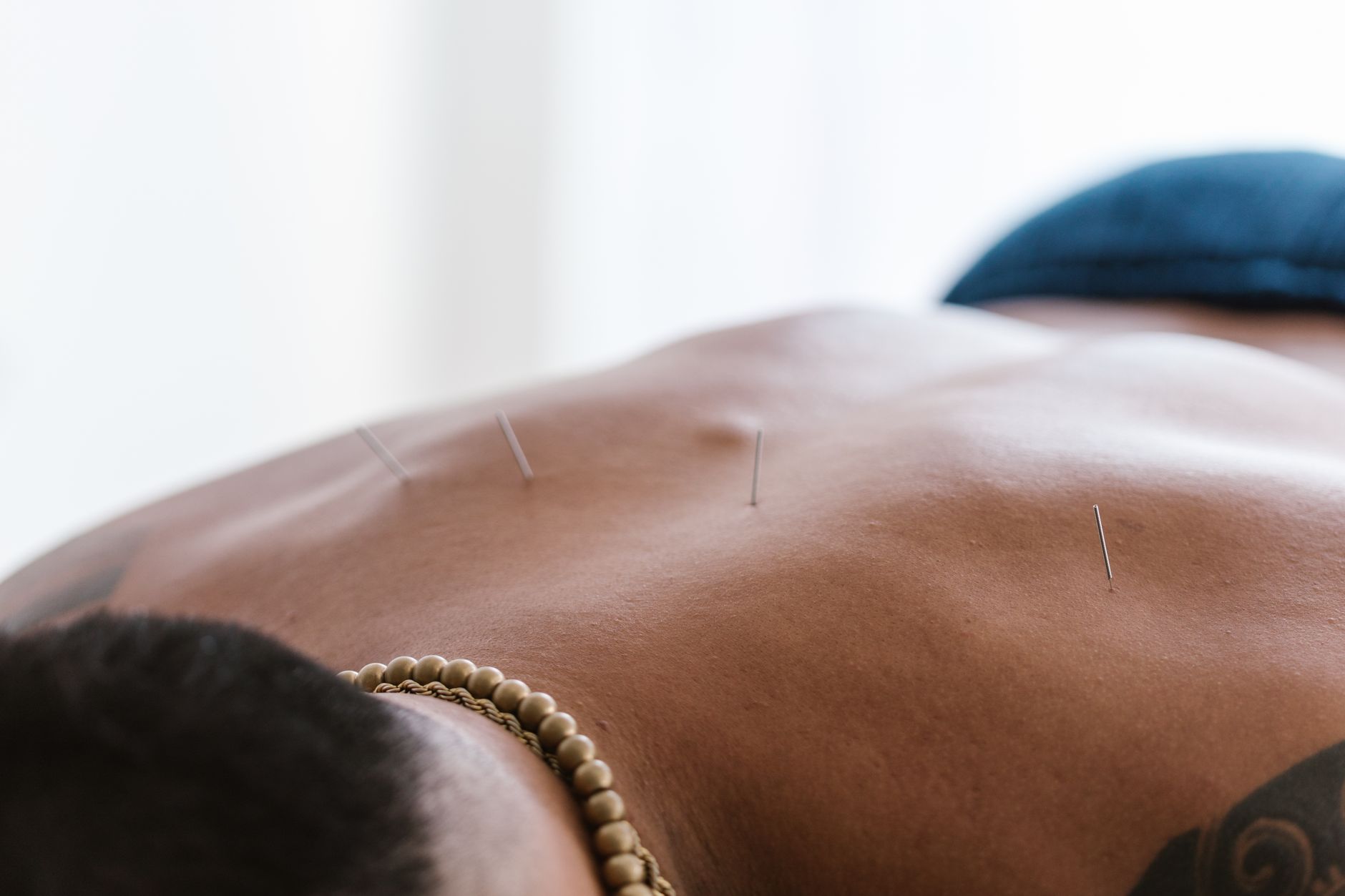
Acupuncture vs. Chiropractic for Chronic Back Pain: Which One Is Right for You?
Chronic back pain affects millions of Americans, and both acupuncture and chiropractic care offer drug-free relief. This comparison breaks down how each approach works, what the research shows, how much they cost, and which is the better fit depending on your specific condition and goals.
12 min read
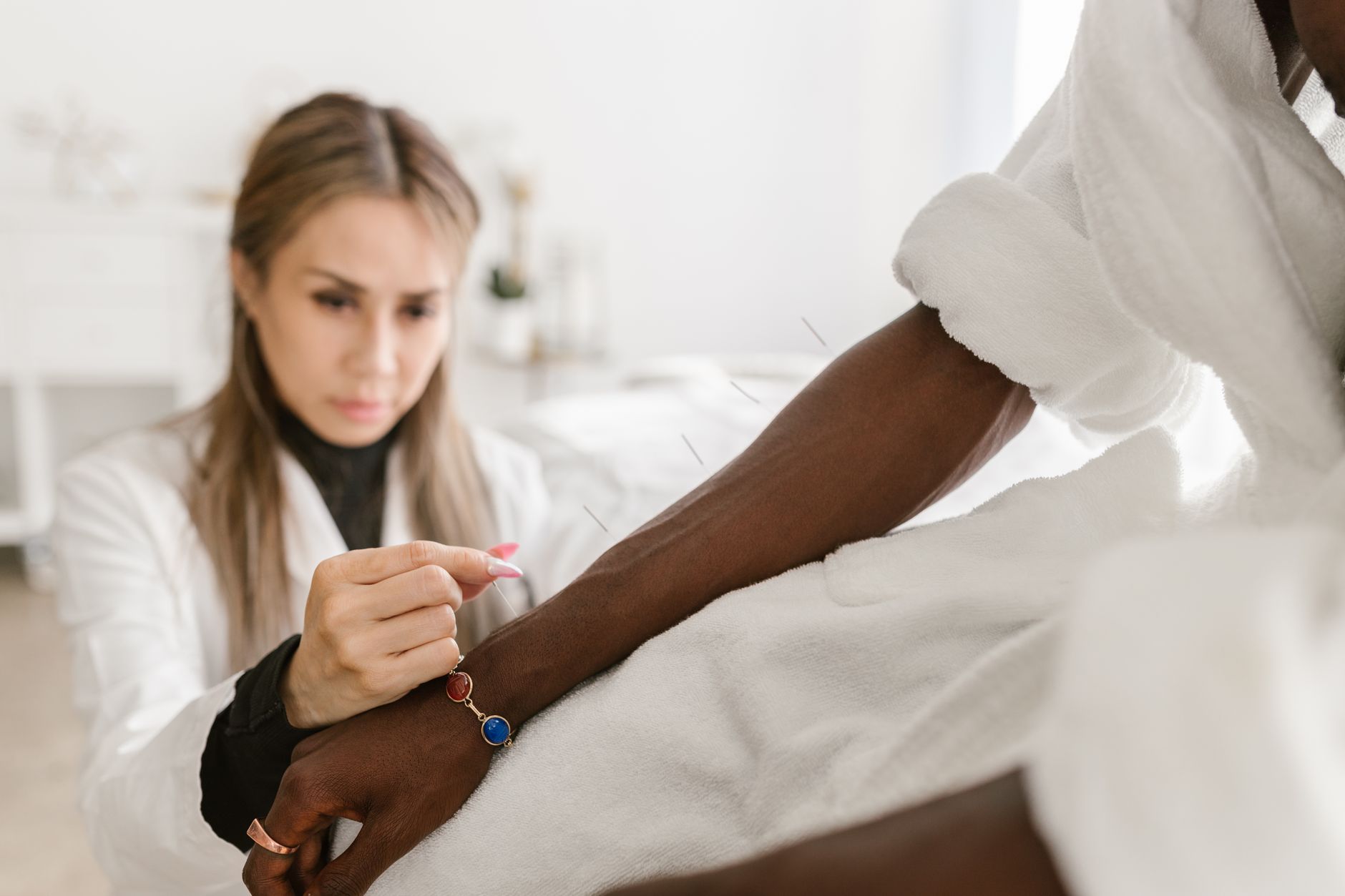
UnitedHealthcare Acupuncture Coverage in California: What Patients Need to Know
UnitedHealthcare does cover acupuncture for many California members, but benefits vary significantly by plan type, employer, and medical necessity criteria. This guide breaks down exactly which plans include acupuncture benefits, how to verify your coverage, and what to expect when using your UHC insurance at a California acupuncture clinic.
11 min read